Grey fox games: the kickstarter studio that made midgard a permanent franchise

Official homepage: https://greyfoxgames.com
Most board game publishers release a steady drip of titles and hope something sticks. Grey Fox Games does the opposite: it builds its year around a handful of big swings — anniversary editions, licensed adaptations, and long-awaited expansions — funded by communities that have followed the studio for a decade. The American company describes itself as a publishing, marketing, and fulfillment operation, and its catalog runs from Viking worker placement to murder-mystery parties to a Vampire Survivors adaptation. This review looks at the Midgard phenomenon, the crowdfunding machinery, the direct storefront, and the risks of betting big.
Champions of Midgard and the Viking Gold Rush
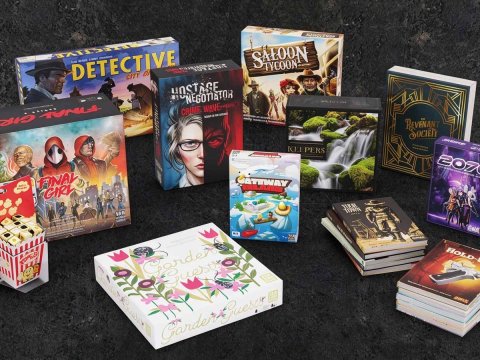
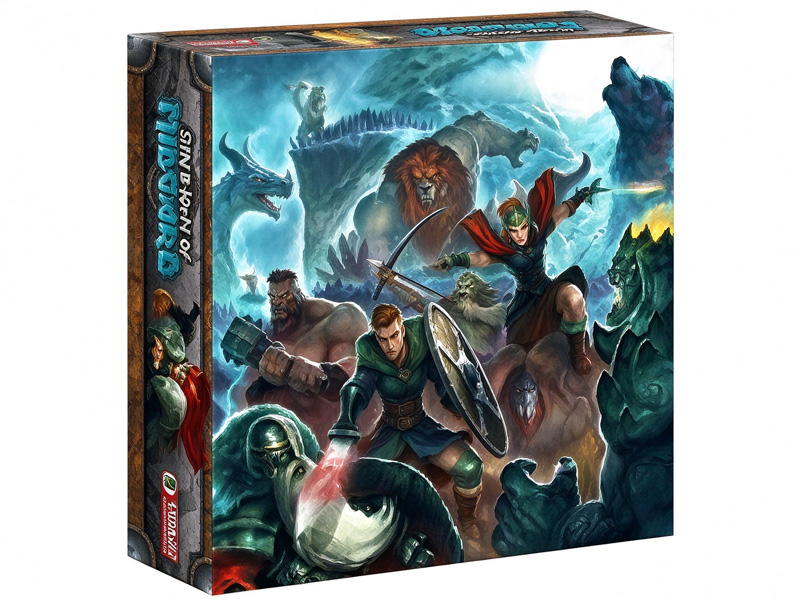
Grey Fox arrived on most gamers' radar in 2015 with Champions of Midgard, Ole Steiness's worker-placement game about Viking leaders drafting warriors, fighting trolls, and courting the gods' favor. It landed at exactly the right moment — the hobby's Viking obsession was peaking — and it became one of those rare mid-weight euros that casual groups and strategy veterans could share. The studio built around it: expansions deepening the dice-combat and journey systems, a follow-up in Reavers of Midgard, and a world of Midgard that turned a single title into an evergreen property. Along the way, Grey Fox also published oddballs that showed range: the social-deduction party game Deception: Murder in Hong Kong, the roll-and-write Harvest Dice, the dice-civilization of Dice City, and heavier fare like Last Light and After the Empire.
Publishing, Marketing, and Fulfillment Under One Roof
What Grey Fox calls itself is quietly unusual: a publishing, marketing, and fulfillment company. Most small publishers design games and hand the boxes to someone else; Grey Fox controls the whole chain, including warehousing and shipping its own campaigns. That vertical integration explains both its strengths and its feel — the studio can promise campaign delivery with fewer middlemen, but it also means the team lives or dies on logistics performance. For customers, the practical signature is the pledge manager: campaigns close, surveys open, add-ons stack, and the same operation that published the game puts it on a truck. The model rewards repeat backers, who learn the rhythm once and trust it with each new project.
The Campaign Trail from Midgard to Vampire Survivors
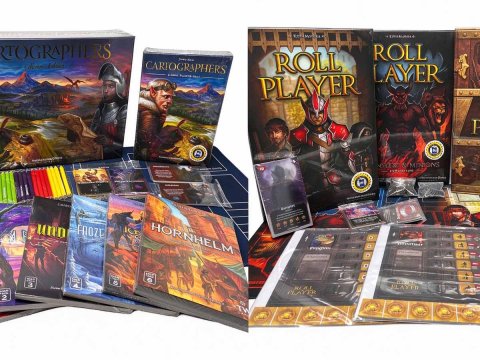
The studio's public record on crowdfunding platforms tells the story of its decade: twenty-seven campaigns launched, twenty-two funded. The Champions of Midgard expansions campaign drew 7,062 backers and over $541,000, an enormous statement for add-on content to an existing game. In 2025 the studio announced its boldest swing yet: a licensed board game adaptation of Vampire Survivors, the one-developer indie video game that became a 2022 sensation — proof that Grey Fox hunts licenses other mid-size publishers might consider too quirky or too risky. Each campaign runs on the same playbook the community knows: early-bird pricing, stretch goals that escalate components, and a pledge manager that reopens the store after the finish line.
A Ten-Year Anniversary Worth Seven Figures
In 2025 the studio's flagship came full circle: a Champions of Midgard tenth-anniversary edition, positioned as a limited collector's version available only through crowdfunding — and positioned perfectly. The campaign ultimately passed a million dollars in total funding on Gamefound, a remarkable figure for a reprint-plus-deluxe of a 2015 euro. It is the clearest illustration of Grey Fox's actual product: not just games, but occasions. The anniversary edition worked because the original had spent a decade in the recommend-a-game-to-a-newbie rotation, and the studio understood that its audience would turn out for a birthday party. Few small publishers can convert nostalgia into seven figures; fewer still stage the party on schedule.
Storefront Habits of a Crowdfunding Native
The permanent web store carries the studio's full catalog plus campaign leftovers — expansions, promo packs, and the occasional blowout sale that clears warehouse space between projects. Product pages are plain and informative, the blog doubles as a fulfillment bulletin board, and shipping-and-returns policies are written for people who already understand pledge managers. There is little lifestyle gloss; this is the retail arm of a campaign machine, and it behaves like one. Regulars know to watch the store between campaigns, when odds and ends surface at friendly prices, and to expect the catalog to swell and shrink with the campaign calendar rather than sit static like a conventional shop.
Where Campaign Rhythms Meet Retail Reality
The model's seams show in the gaps between campaigns. Buyers who miss a pledge window face retail prices, and some campaign exclusives simply never reach the store, which stings late adopters. The catalog's breadth — Vikings, murder parties, dice cities, horror licenses — is exciting but means the studio's identity is defined by individual hits rather than a house style, and a dud campaign leaves a longer shadow than it would at a volume publisher. Fulfillment, for all the in-house control, is still crowdfunding fulfillment: waves, updates, and the occasional delay that the community forgives but remembers.
The Honest Limits of the Boutique Model
Grey Fox is a bet-maker, and bet-making has variance. Its biggest successes came from reading the room — Vikings in 2015, a zeitgeist indie license in 2025, nostalgia economics for a ten-year-old hit — and its future depends on continuing to read rooms correctly with a team sized for campaigns, not for a permanent catalog operation. Customers should buy its products the way the studio sells them: as events. If you need a game this weekend, retail channels carry most of the catalog. If you want the deluxe anniversary, the exclusive promos, and the story of being there, the direct store and its campaign calendar are precisely the point.
Who Should Load Up on Grey Fox
Grey Fox serves the engaged backer: the player who enjoys following a campaign, watching stretch goals fall, and unboxing an edition that will not exist again. Champions of Midgard remains one of the hobby's best gateway-to-midweight euros, Deception earns its permanent place at party nights, and the studio's willingness to gamble on a Vampire Survivors adaptation suggests the next decade will be at least as interesting as the last. If you prefer quiet catalogs and predictable release schedules, the campaign cadence will exhaust you. If you like studios that swing hard, this fox rewards the attention.