From doom to cthulhu: inside the miniatures empire of a horror legend
Official homepage: https://petersengames.com
Very few people can claim to have shaped both video games and tabletop gaming. Sandy Petersen designed the Call of Cthulhu roleplaying game in 1981, then spent two decades inside Doom, Quake, Civilization, and Age of Empires. In 2013 he returned to the tabletop with a Kickstarter for Cthulhu Wars that made over $1.4 million, and Petersen Games was born. Today the Texas company runs a Shopify storefront selling some of the largest miniatures in the hobby, backed by one of the most devoted — and occasionally tested — fan communities in board gaming. This review looks at the designs, the family, the store, and the hard lessons of its crowdfunding history.
The Man Who Put Cthulhu on the Table First
Before Petersen Games existed, Sandy Petersen had already changed gaming twice. At Chaosium in 1981 he created Call of Cthulhu, the first roleplaying game to bring H. P. Lovecraft's cosmic horror to the table, complete with its famous sanity rules. The game spawned seven editions, an Origins Hall of Fame induction, and an entire genre of Lovecraftian play. Then he crossed into video games, designing levels and systems for Sid Meier's Civilization, Doom, Quake, and the Age of Empires series, hiding Mythos tributes in the code along the way. When he returned to tabletop in the 2010s, he brought both resumes with him: the mythological depth of a roleplaying pioneer and the production instincts of a veteran of AAA game development. Few publishers' web stores are built on a founder biography this unusual.
A Swan Song That Raised 1.4 Million Dollars
Cthulhu Wars was never supposed to be a company. Petersen has described it as his swan song — one last Lovecraft project before taking a salaried video game job in India — launched with partners as Green Eye Games in 2013. The Kickstarter asked for a modest sum and instead made over $1.4 million, exceeding its goal by roughly 3,500 percent, which let the team buy out partners and formally found Petersen Games. The game itself justified the frenzy: an asymmetric strategy war where rival cults summon Great Old Ones, capture gates, and fill faction-specific spellbooks, all in about ninety minutes. Petersen turned down the India job, and what was meant to be an ending became the foundation of a decade-long publishing run.
Designing Factions That Play Nothing Alike
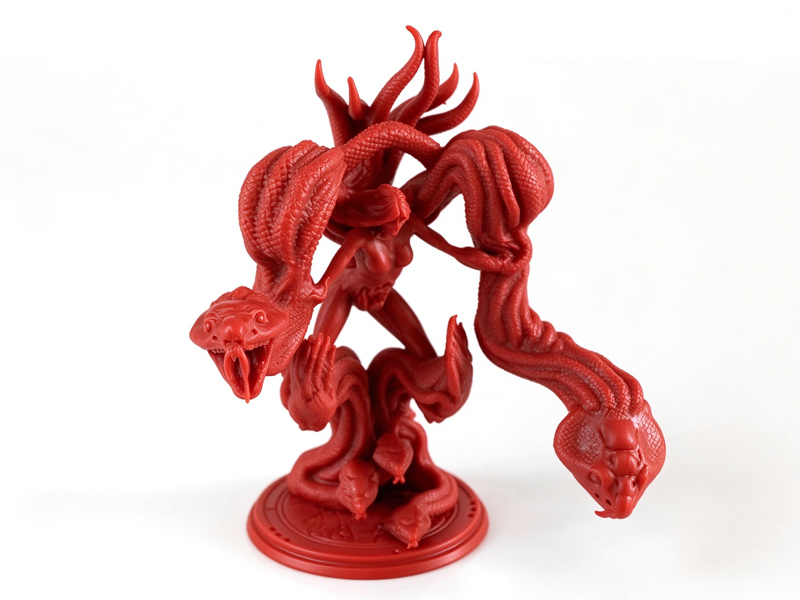
The signature Petersen design move is radical asymmetry — every faction has different units, different economics, different spellbooks, and a genuinely different route to victory, so the game you play as Great Cthulhu barely resembles the one you play as the Yellow Sign. It is the same instinct that made Call of Cthulhu revolutionary forty years earlier: give every participant a different experience. That philosophy carried into the catalog that followed — Glorantha: The Gods War, Planet Apocalypse, Hyperspace, Orcs Must Die!, Dinosaur 1944, and Evil High Priest, the latter co-designed with his son Lincoln — and into a bestselling line of Cthulhu Mythos sourcebooks for Dungeons and Dragons 5e and Pathfinder, a 400-page hardcover that funded in twenty-seven minutes. The Cthulhu Wars ecosystem alone has grown past one hundred items.
A Family Business with Eldritch Ambitions
Petersen Games is genuinely a family company. Son Arthur Petersen served as production manager and became the public voice of the company's Kickstarter updates; son Lincoln co-designed Evil High Priest and its expansion. Sandy keeps a visible public presence through his Sandy of Cthulhu YouTube channel, where he talks game design, his id Software years, and Lovecraft lore. This closeness is a real asset: the store's voice is personal, the designers answer questions directly, and the products carry the enthusiasm of people making the games they always wanted to play. It is also a risk, because the company's fortunes and public communication rise and fall with a handful of people — a structure that became very visible when things went wrong.
When Crowdfunding Freight Costs Turned Hostile
A fair review of this store has to include 2019. Petersen Games ran a Kickstarter for a new printing of Cthulhu Wars that raised over $300,000, with delivery promised for mid-2020. Then the pandemic hit: factory lockdowns, paper shortages, and international freight rates that spiked roughly tenfold. Sandy Petersen later said he had plunged most of his private funds into finishing the company's outstanding campaigns, and the team cut down to a skeleton crew. By 2023, with eighty-seven pallets of finished games sitting in a warehouse and shipping costs at 155 percent of what the campaign had collected, the company asked backers to voluntarily contribute toward freight — an average of $55 — or wait for monthly pallet shipments that stretched delivery toward the end of 2024, four and a half years late. The episode, which also included an accidental leak of backer contact details, is one of the hobby's defining cautionary tales about pre-pandemic shipping math.
Rebuilding a Store After the Storm
The company's response to the crisis is part of the store's story now. Petersen Games weathered the deliveries, later partnered with Quimbly's Toys and Games in 2024 to broaden its reach, then quietly ended that arrangement in March 2025 and returned to publishing and selling directly. The current storefront is leaner than the empire's peak: the flagship Cthulhu Wars line, the Mythos RPG books, and newer, deliberately smaller games like Cthulhu Cuisine, a $24.99 card game made with Larval Games. Community reports on the store itself are consistently positive about the practical side — customers describe prompt USPS shipping and orders arriving within about a week in the United States — even when grumbling about the site's navigation.
What the Storefront Looks Like Today
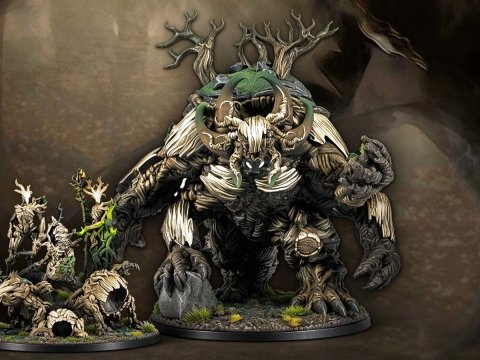
Visually, the shop leans into its identity: painted miniatures gallery, faction showcases, and product photography that treats a six-inch Cthulhu figure as the hero it is. The catalog is deep but uneven — a hundred-plus Cthulhu Wars items, big-box fantasy and sci-fi titles, RPG tomes, and a scattering of small card games. Buyers should know what they are looking at: this is a niche premium shop, not a general game store, and most of its catalog also appears at regular retailers, sometimes cheaper. The reason to buy direct is usually a specific expansion, a Kickstarter holdover item, or simply wanting the money to reach the people who made the game. Navigation, as the community politely puts it, has room to grow.
Who Should Pledge, and Who Should Wait
Petersen Games serves a particular customer extremely well: the mythology-obsessed strategy gamer who wants asymmetric depth, colossal miniatures, and a direct line to a living legend of game design. For that buyer, the store offers things nobody else does — and a founder who has personally put his savings behind his promises. But the history matters: buy in-stock items and the experience is quick and pleasant; back a campaign and you are underwriting manufacturing risk with a company that has already lived through the worst version of it. The design legacy here is unimpeachable. The operational record is improving, scarred, and worth weighing before you pledge at the deluxe tier.