A+r turned a venice beach storefront into a design forecasting empire
Official homepage: https://aplusrstore.com
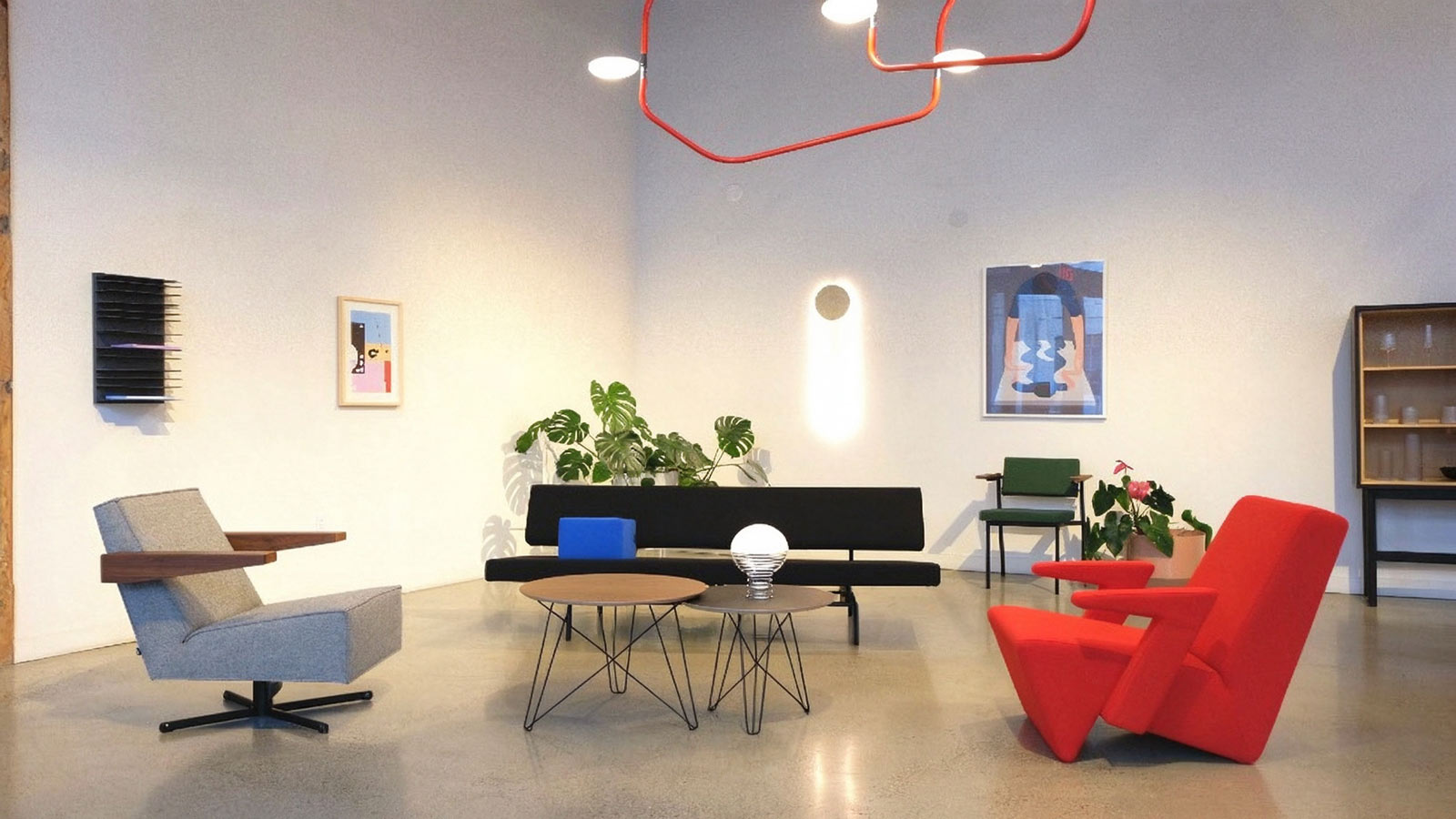
Los Angeles has no shortage of design stores, but only one of them was founded by a fashion journalist and a documentary filmmaker on a hunch, and only one has spent twenty years making a business out of being early. A+R — named for founders Rose Apodaca and Andy Griffith — began as a small shop on Abbot Kinney Boulevard in 2005 and grew into a trade-driven design emporium whose showroom at the Row in downtown LA supplies interior designers and architects around the world. This review measures the store from every angle: the founding story, the assortment, the trade machine underneath it, and the fine print that separates savvy buyers from surprised ones.
A fashion editor and a filmmaker bet on design
Rose Apodaca was already a respected Los Angeles style journalist — a former fashion editor and cultural anthropologist who would go on to write the biography of Rodeo Drive pioneer Fred Hayman and co-author two books with Dita Von Teese, one of which hit number two on the New York Times bestseller list. Andy Griffith, her husband and co-founder, is a British expat and former documentary filmmaker and sound editor with an obsessive eye for objects. Neither had retail experience when they opened a small shop on Abbot Kinney in 2005. What they had was a conviction that independent design from makers around the world deserved a dedicated champion in Los Angeles — and, more quietly, a knack for spotting what would matter before it did. That knack has since earned them the industry's most enviable label: trend forecasters, buyers who consistently back winners before anyone else.
From Abbot Kinney to the ROW in downtown Los Angeles
The address history reads like a map of LA retail evolution. The original 2005 space gave way in 2007 to a roomier 1,200-square-foot location on the same strip, chronicled by design press as it grew into what Racked later called a dreamland for colorful dwellers, stocking everything from full-scale furnishings to quirky tabletop items. The Venice shop eventually shuttered — a casualty of the strip's soaring rents — and the operation consolidated into a design studio on La Brea Avenue before settling into its current home: a showroom at the Row, the 32-acre creative campus in downtown Los Angeles. The physical footprint is modest. The reputation is not.
Furniture, lighting, tabletop, and the object edit
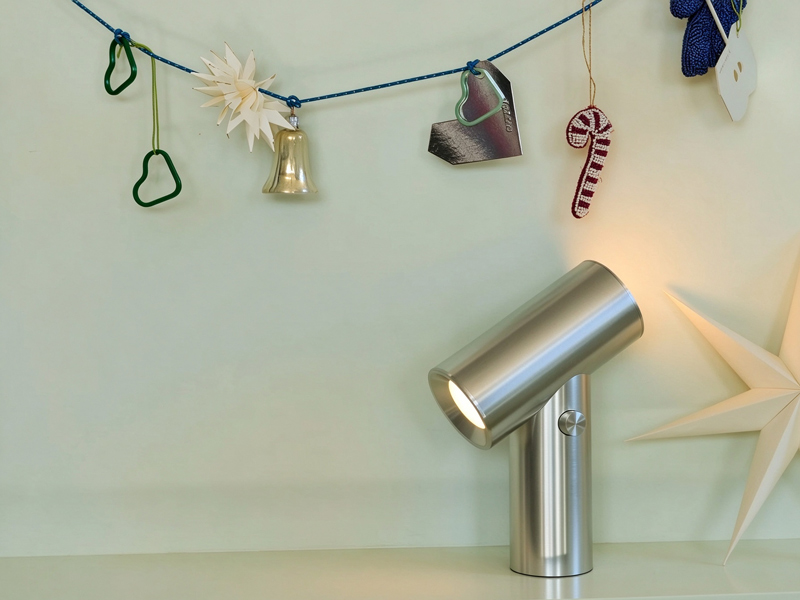
The catalogue is a genuine design department store: furniture from international makers like the Australian-Italian studio SP01, lighting, rugs, tabletop, objects, and smaller gift items, all organized around a single filter — would the founders live with this. Prices span accessible objects under a hundred dollars to five-figure furniture, and the assortment changes constantly because Apodaca and Griffith treat the shop as a forecasting exercise, taking chances on new design before it becomes safe. That habit is the store's commercial moat: being early on a label means architects and decorators build projects around pieces their clients can only source through A+R, which converts cultural authority into repeat business.
The trade secret behind eighty percent of the business
That repeat business is the quiet engine. According to profiles in the design press, interior designers and architects make up roughly eighty percent of the customer base — an unusual inversion for what looks like a consumer-facing boutique. A+R runs a formal trade program with design advisors, signed agreements for special orders, and payment terms that include wire transfers and checks for professional accounts. The FAQ reads like it was written by and for the industry: special orders — defined as anything not regularly stocked, upholstered, or non-standard in finish — are non-returnable and non-refundable, with cancellations accepted only within forty-eight hours of signing. For consumers, this framing explains the store's whole texture: it is a showroom with a retail side door, not the reverse.
Free shipping above two hundred, with tariff asterisks
On shipping, A+R is competitive at the top of the market: orders over two hundred dollars ship free across most of the contiguous United States, with Alaska, Hawaii, and the territories quoted separately, and international delivery available on request. Two asterisks matter. First, tariff exposure is handled candidly if awkwardly: the store warns that some products may be subject to tariffs, that it cannot reprice thousands of products in real time, and that if a surcharge applies, customers will be contacted after ordering with the choice to cancel or proceed — honest and operationally clumsy in equal measure. Second, orders can only be cancelled within twenty-four hours of placement. That is one of the tightest cancellation windows in the category.

Twenty one day returns, with a twenty percent catch
Returns are where A+R genuinely differentiates. The window is twenty-one days from the delivery date — the longest policy we have documented in this segment — extended further for holiday purchases made between mid-November and Christmas Eve, which can be returned until January 14. Most items qualify for a full refund minus shipping, provided everything is unused and in original condition. But the catch list is long: special orders, personal items such as bedding and throws, anything assembled, and every discounted product are final sale. On furniture, lighting, and rugs, and on orders over five hundred dollars that received free shipping, the store reserves the right to charge a twenty percent restocking fee at the moment the return is authorized. Processing takes one to two weeks after receipt, refunds return to the original payment form, and returns require advance authorization by email — no portal, no walk-ins, gifts come back as online credit only, and the store deducts all shipping and restocking fees from any return-to-sender refund.
The fine print international buyers must read first
International buyers face the harshest sentence in the policy: international orders are non-returnable, period. Whatever arrives, stays — so sizing, finish, and color certainty must happen before checkout, not after. Combined with the post-order tariff contact and the twenty-four-hour cancellation limit, cross-border shoppers carry essentially all of the risk in a cross-border transaction. This is, again, the texture of a trade business: its professional clients inspect, measure, and specify before ordering, and the policy was written for them.
Who A+R serves best, and who should look elsewhere
A+R serves one customer superbly — the design-literate homeowner, decorator, or architect who wants furniture and objects the mainstream retailers have not found yet, who values a twenty-one-day window and free two-hundred-dollar shipping, and who understands that forecasting carries the occasional miss. It serves another poorly: the casual online browser, the international shopper, the deal-hunter drawn to a sale section that is entirely final. There is also the question of proof. The store's authority is documented everywhere except consumer review platforms, where its presence is thin — the kind of quiet a twenty-year-old, trade-driven business can afford and a first-time buyer cannot fully verify. For the right shopper, though, A+R is exactly what it says on the tin: two people with preternatural taste, selling the future of design from a showroom in downtown Los Angeles.