This boston sneaker speakeasy survived twenty years, a fulfilment crisis, and its own legend
Official homepage: https://bdgastore.com
Some stores you find. Bodega was built so that only the right people would. Since 2006, a functioning convenience store on Boston's Clearway Street has hidden one of the world's most influential streetwear boutiques behind what looks like an old Snapple vending machine — no sign, no hint, just the bodega. Two decades later the store has dressed Kevin Durant, Larry David, and Tom Cruise, survived a genuine near-death crisis, and moved its only remaining physical location to Los Angeles. This review measures the shop from every angle: the legend, the labels, the fine print, and the warning signs.
Three struggling artists and a bar napkin business plan
Bodega was founded in 2006 by Oliver Mak, Jay Gordon, and Dan Natola — three struggling artists with almost no retail experience and a business plan scribbled on a bar napkin at a Boston nightclub. The concept was half joke, half filter: build the store inside a working bodega, the East Coast corner store, and let the product do the marketing. Those customers would seek it out, and everyone else would walk past the chips and lottery tickets. Within four months, the magazine Urb ranked Bodega the number two sneaker shop in the world — behind only Undefeated in Los Angeles — and a Boston institution was born. The name itself is the Spanish word for the corner-store concept that hid it.
A Snapple machine that became a global streetwear brand
The hidden door was never a gimmick so much as a philosophy. The founders reasoned that the right product would bring exactly the customers they wanted — a speakeasy logic that made the store a pilgrimage site and a cultural badge. It scaled once, in 2018, when Bodega opened an 8,000-square-foot Los Angeles location at the Row DTLA complex, this time disguised as an unmarked produce loading dock, complete with melon crates at the entrance, a replica New York deli on the ground floor, shop-in-shop residencies from brands like Kapital, and a strip of skatepark flooring. The Boston store, however, closed in 2024 — a quiet contraction that preceded the harder news covered later in this review.
Nike Tier Zero and the collaboration machine
What turned a cool shop into an institution was output. Bodega secured a Nike account within months of opening and reached the brand's coveted Tier Zero status — the highest tier of limited-distribution product — after only two years, a trajectory virtually unheard of for an independent. Between 2007 and 2008 the team executed seven sneaker projects in rapid succession, including a Converse release and redesigns of the Reebok Pump Omni Lite, Puma Sky Hi, and adidas ZX. The 2008 Puma Sky II collaboration with Mad magazine, themed on Spy vs Spy with Morse-code ankle straps and a real-world treasure hunt for thirty hidden grey pairs, remains a landmark of modern sneaker storytelling. Collectors still chase the store's New Balance, Hoka, and Nike projects, and Bodega's own collaborations routinely resell above retail — proof the brand's cultural output rivals its inventory.
From stocked shelves to a private label of its own
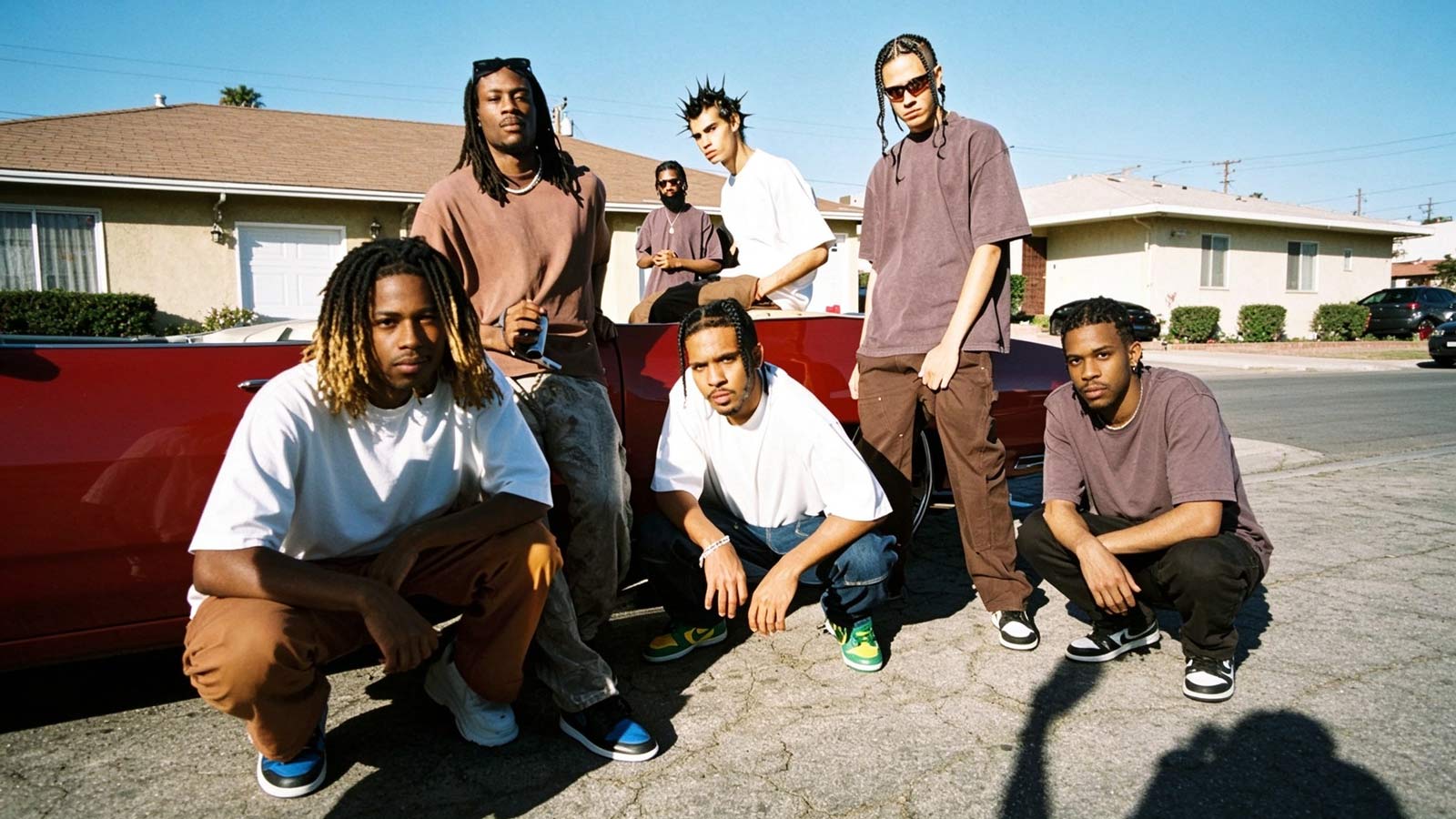
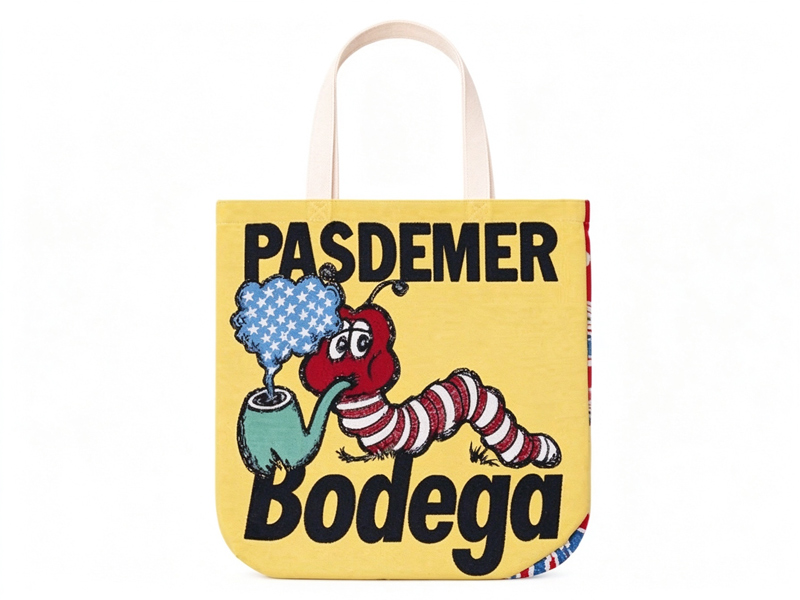
Assortment-wise, bdgastore.com operates as a curated department store of street culture: men's and women's apparel, sneakers, watches, accessories, and lifestyle goods from multi-brand relationships with Nike, New Balance, Salomon, Carhartt WIP, Stüssy, and a rotating cast of independents, alongside the in-house Bodega line launched in 2012. That private label has grown into full seasonal collections with collaborators including Todd Snyder, Mitchell & Ness, and Oakley — a second business hiding inside the first one. The curation is personal: the founders chose products they loved, largely from independent companies, long before algorithmic retail made that posture mainstream.
Shipping worldwide, and the cost of losing a package
Logistics is where the romance meets reality. Domestic orders travel UPS Ground at one to five business days in transit; international orders ship UPS Expedited at three to five days. Shipping is cost-based — there is no advertised free-shipping threshold — and the company asks for a telephone number on every order to help clear customs, a tell that duties are the recipient's problem. The policy also contains a clause worth knowing cold: if an international package is refused or goes unclaimed after repeated courier attempts, Bodega is under no obligation to refund, and the customer forfeits the items. On a store where most orders are single expensive pairs of sneakers, that is not fine print. It is the deal.
Thirty day returns, except when the discount says no
Returns are generous on paper and conditional in practice. Online orders may be returned within thirty days in unused, resalable condition with tags attached — but the customer pays the return postage, the original shipping is never refunded, and processing takes up to fourteen days after the item arrives. Every discounted purchase, without exception, is final sale. For a store whose drops routinely sell at markdowns, that clause quietly converts a large share of the catalogue into a no-return zone. The honest texture of the operation shows in the fine print: generous in the headline window, strict in the conditions, unambiguous about who bears the transit risk.
Two hundred sixty seven Trustpilot reviews during a rebuild
The reputation record is the hardest dimension to write, because it is real. Trustpilot holds Bodega at roughly 1.5 stars across more than 260 reviews — a number that traces a specific timeline. The company admits 2021 was its best year ever; then fulfilment failures began in 2022, when order backlogs and a third-party logistics partner's mistakes left customers waiting weeks for dispatch while tracking sat dormant. External blows compounded it: losing the Yeezy business, a Nike downgrade, rising rents and payroll. By early 2025 the twenty-year-old company had nearly capsized — the entire office staff was let go, co-founder Dan Natola departed after twenty years, and remaining founder Jay Gordon gave a raw interview about borrowing money for the first time, moving too slowly, and getting scrappy again. The reviews read accordingly: cancelled orders, weeks of silence, refunds routed through credit-card disputes — punctuated by pockets of genuine praise for staff who answered within minutes when they could.
Who should still buy from Bodega today
The answer depends on what you are buying. For a limited collaboration — a New Balance or Hoda project, an in-house seasonal piece — Bodega remains one of a handful of authoritative sources, and product is product regardless of internal turbulence. For a routine apparel order, the calculus is harsher: the same items are available from larger competitors with deeper fulfilment, better review records, and free returns. The fair reading is that this is a beloved cultural institution mid-turnaround, not a broken store. Shoppers who value what Bodega built can support it intelligently: buy what only Bodega sells, pay with a credit card that carries purchase protection, and go in with open eyes about the thirty-day window, the final-sale discounts, and the two hundred sixty-seven people who documented exactly how rough the last three years were.